Compliance
15 articles
 News
Why Did BTC-e Close? The 2017 Shutdown and Customer Funds
BTC-e closed after a July 2017 law-enforcement action. The case involved a $110 million FinCEN penalty and a later guilty plea; customer-recovery questions remain separate.

Markesha Freeman
 Regulations
Is Buying Bitcoin with M-Pesa Legal in Kenya Under the New VASP Rules?
Kenya's VASP framework regulates providers. A personal Bitcoin purchase also needs the right service, payment arrangement and current licence checks.

Shakila Afshar
 Guides
SARS's New Crypto Tax Guide, Explained: What Changes After Comments Close
SARS closed comments on its Draft Guide to the Taxation of Crypto Assets. Here is what happens next for South African crypto users, tax records and CARF reporting
Shakila Afshar
 Guides
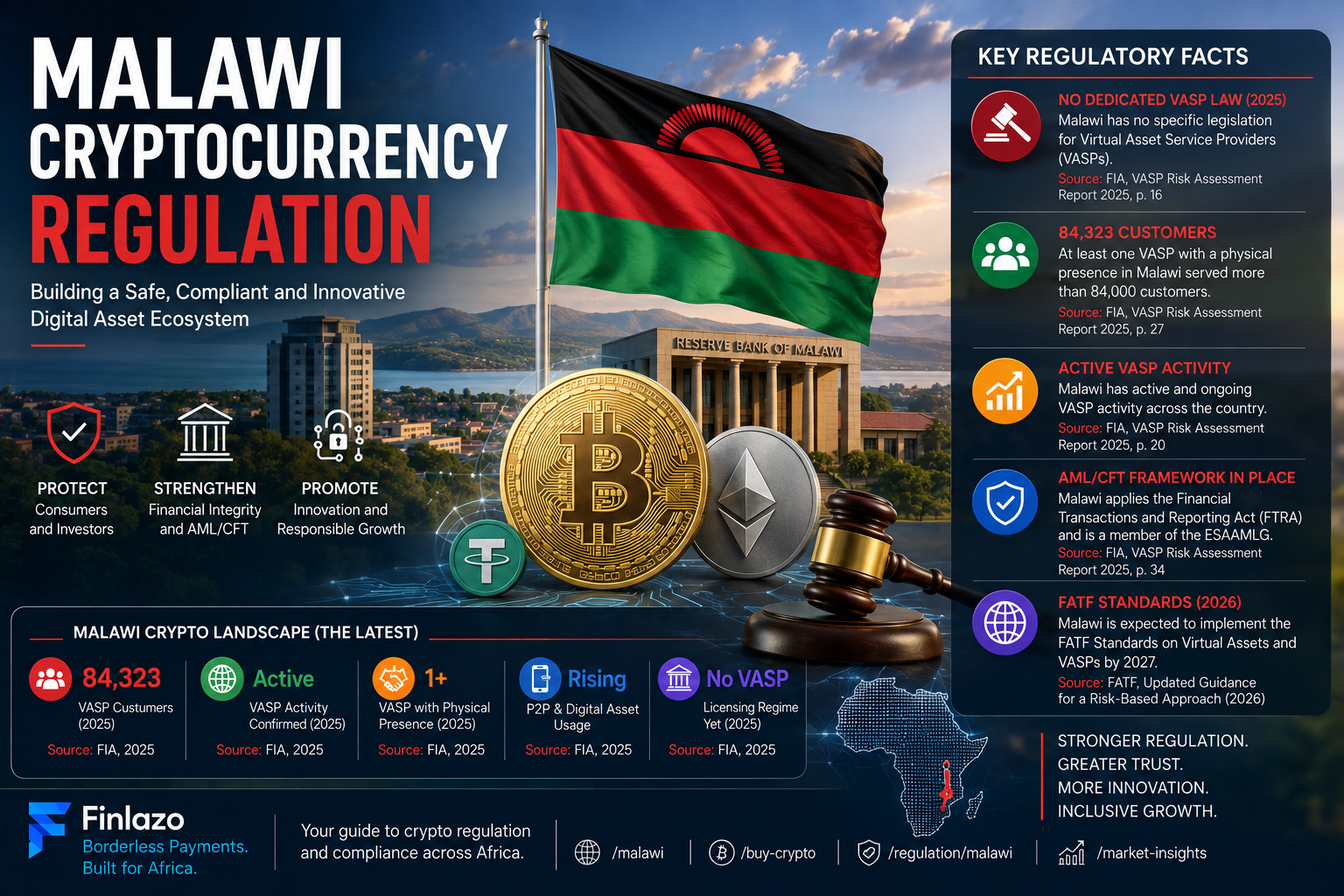
Malawi Cryptocurrency Regulation: Current Rules, VASP Risk Assessment and the Road to a Formal Framework
Malawi is still developing a dedicated framework for virtual assets despite growing crypto activity. Explore the country's regulatory gaps, VASP risks, P2P trading, AML concerns and the path toward formal regulation.
Shakila Afshar
 Payments
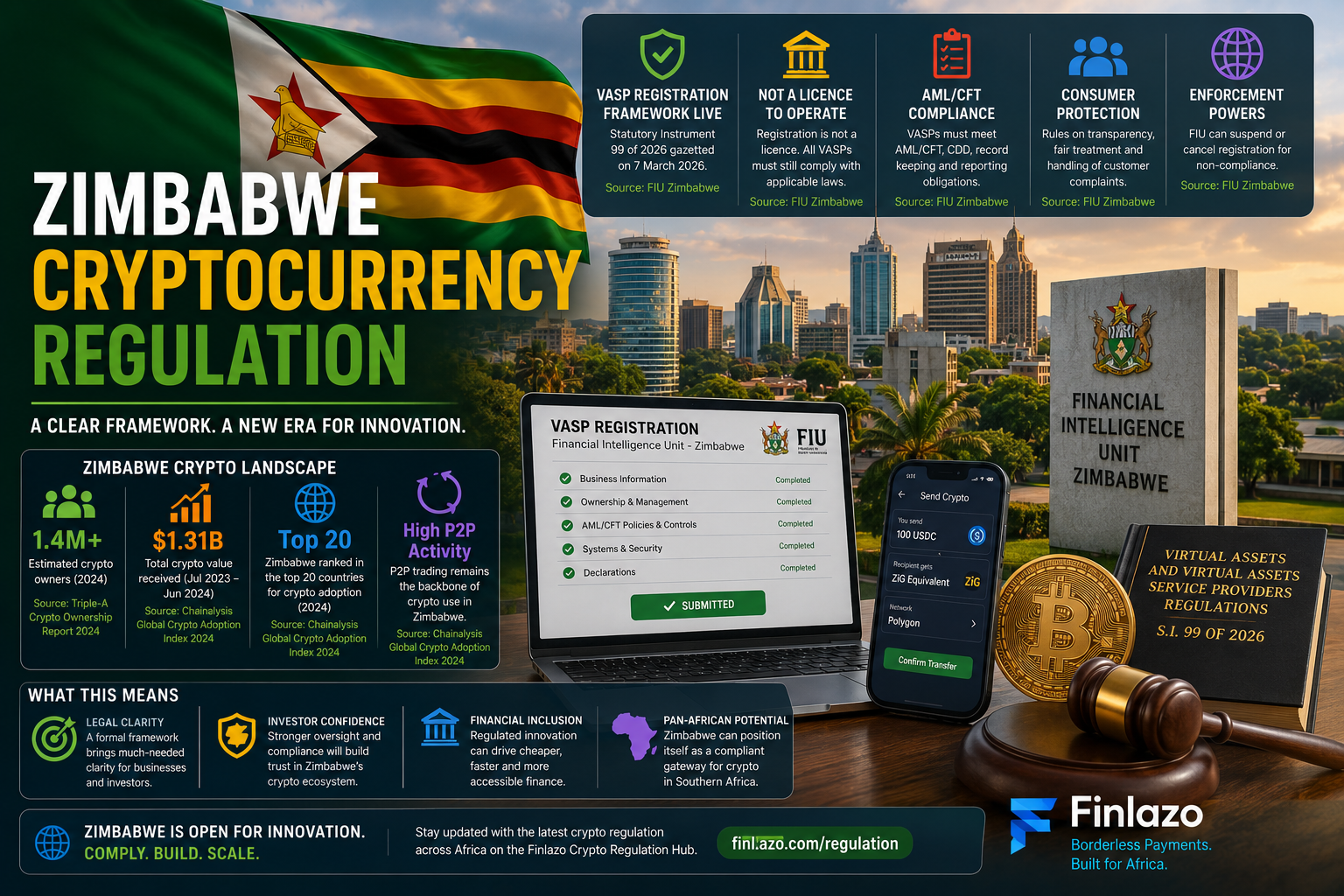
Zimbabwe Cryptocurrency Regulation: VASP Registration, AML Rules and the New 2026 Framework
Zimbabwe has introduced a formal registration framework for virtual asset service providers. Explore the new VASP rules, AML/CFT requirements, registration process, enforcement measures and what they mean for crypto businesses.
Shakila Afshar
 Payments
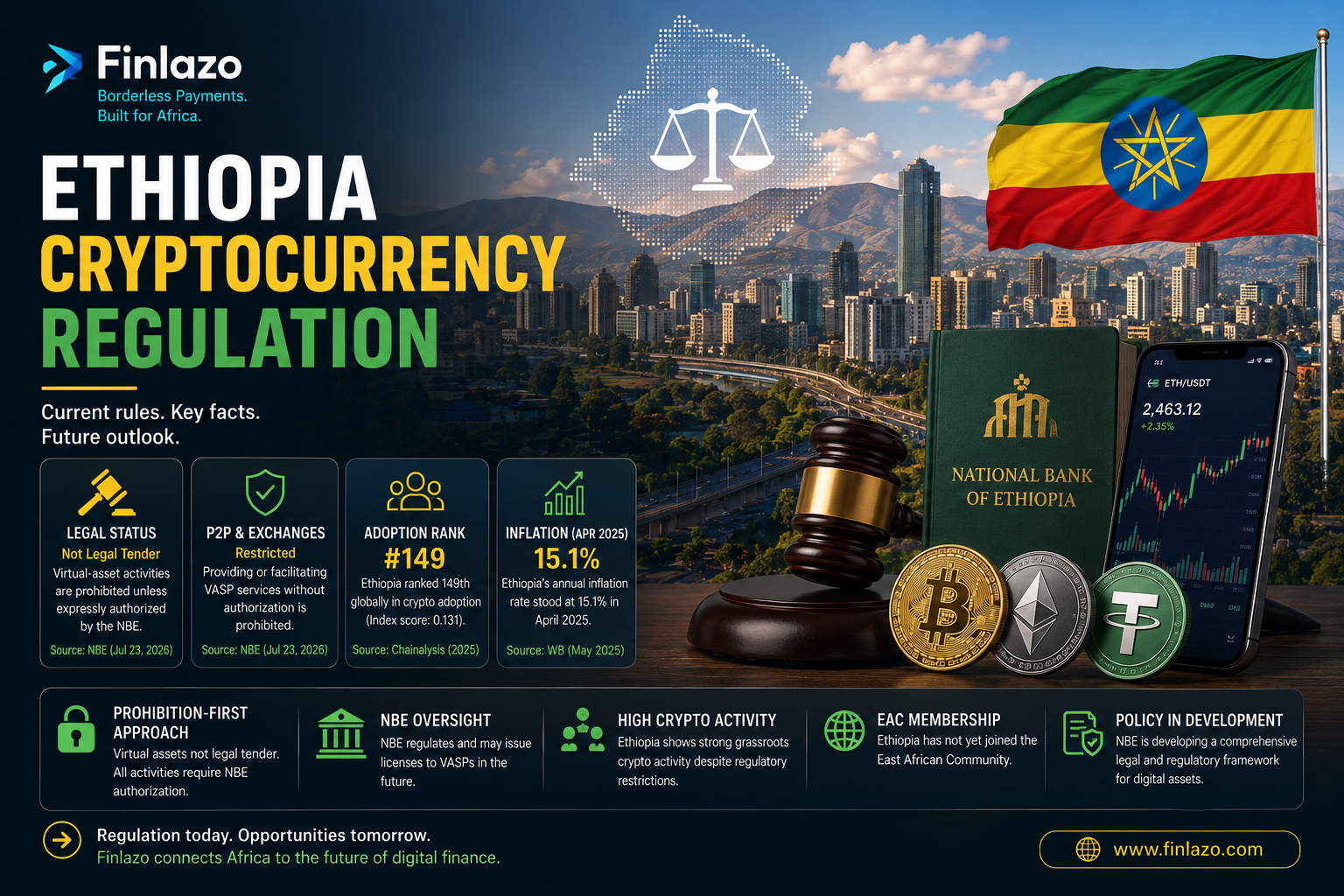
Ethiopia Cryptocurrency Regulation: NBE Rules, Virtual Asset Ban and What Comes Next
Ethiopia takes a restrictive approach to cryptocurrency while reporting strong grassroots adoption. Explore the NBE's current rules, P2P restrictions, digital-asset policy and what could shape future regulation.
Shakila Afshar
 Payments
Mauritius Cryptocurrency Regulation: VASP Licensing, Capital Requirements and 2026 Rules
Mauritius has built a detailed framework for virtual assets, covering VASP licensing, capital requirements, AML/CFT controls, custody, stablecoins and token offerings. Explore the rules shaping its digital-asset industry.
Shakila Afshar
 Payments
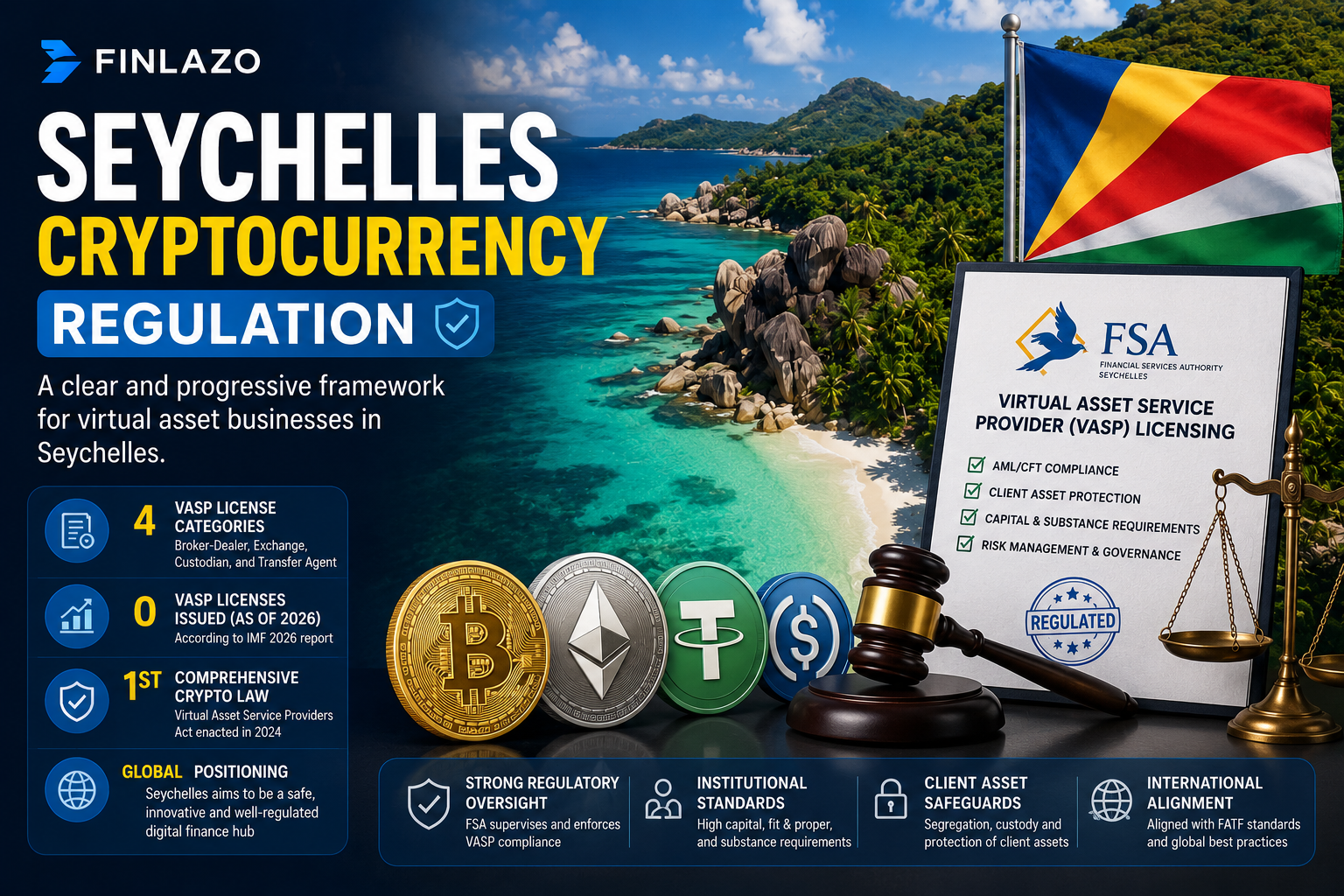
Seychelles Cryptocurrency Regulation: VASP Licensing, Capital Requirements and Compliance
Seychelles has introduced a dedicated framework for virtual asset businesses, covering VASP licensing, capital, client-asset protection, AML controls and operational substance. Explore how the rules are shaping the country's crypto industry.
Shakila Afshar
 Payments
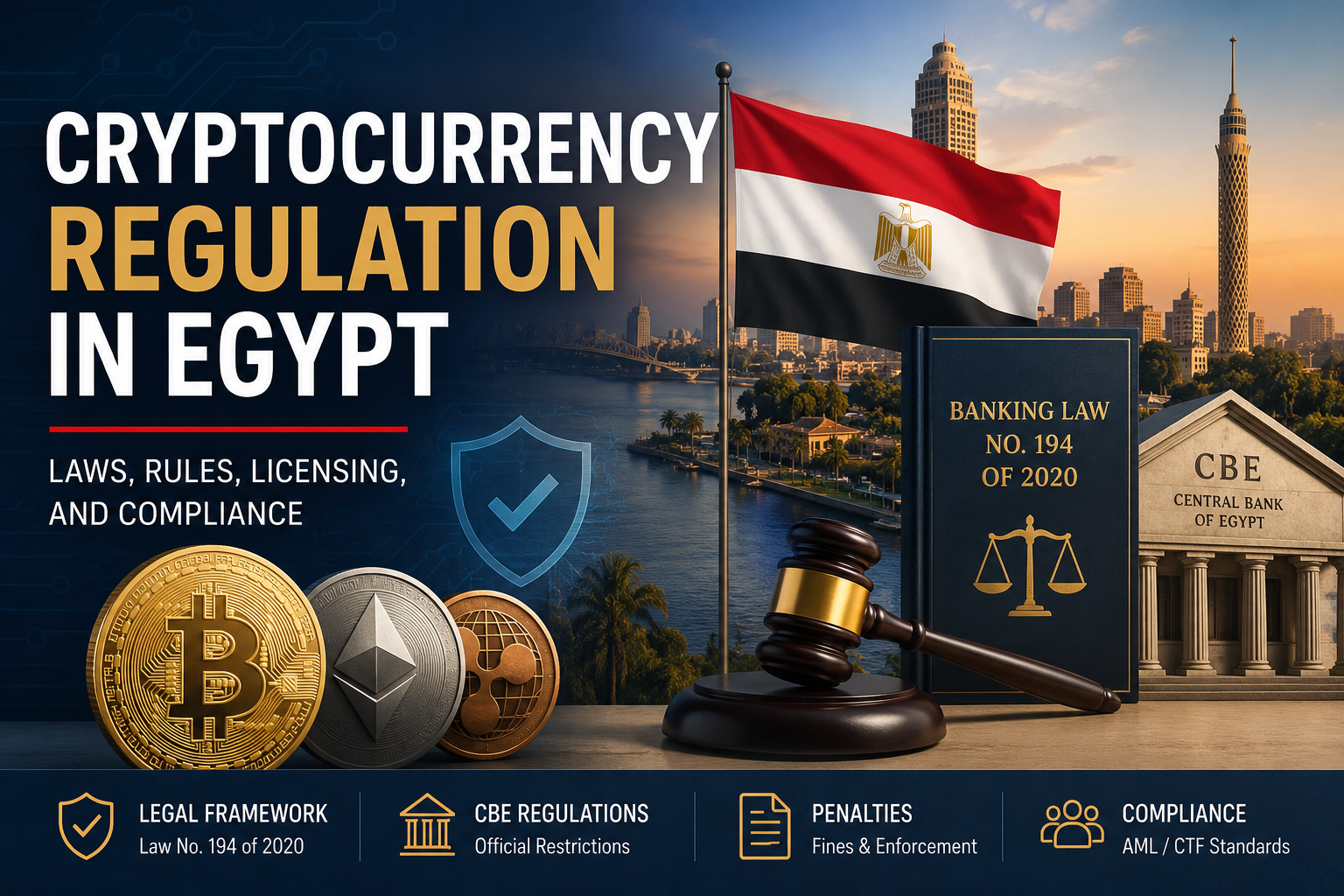
Cryptocurrency Regulation in Egypt: Laws, Restrictions and the Current Legal Framework
Explore cryptocurrency regulation in Egypt, including Banking Law No. 194 of 2020, CBE restrictions, penalties, licensing, crypto exchanges, stablecoins and the current legal framework.
Shakila Afshar
 Guides
Crypto Regulation in Ghana: VASP Act, Licensing, Sandbox and the New Regulatory Framework
Explore crypto regulation in Ghana, including the Virtual Asset Service Providers Act, 2025, VASP licensing, registration, the SEC sandbox, stablecoins, exchanges, AML requirements and the latest regulatory framework
Shakila Afshar
 Payments
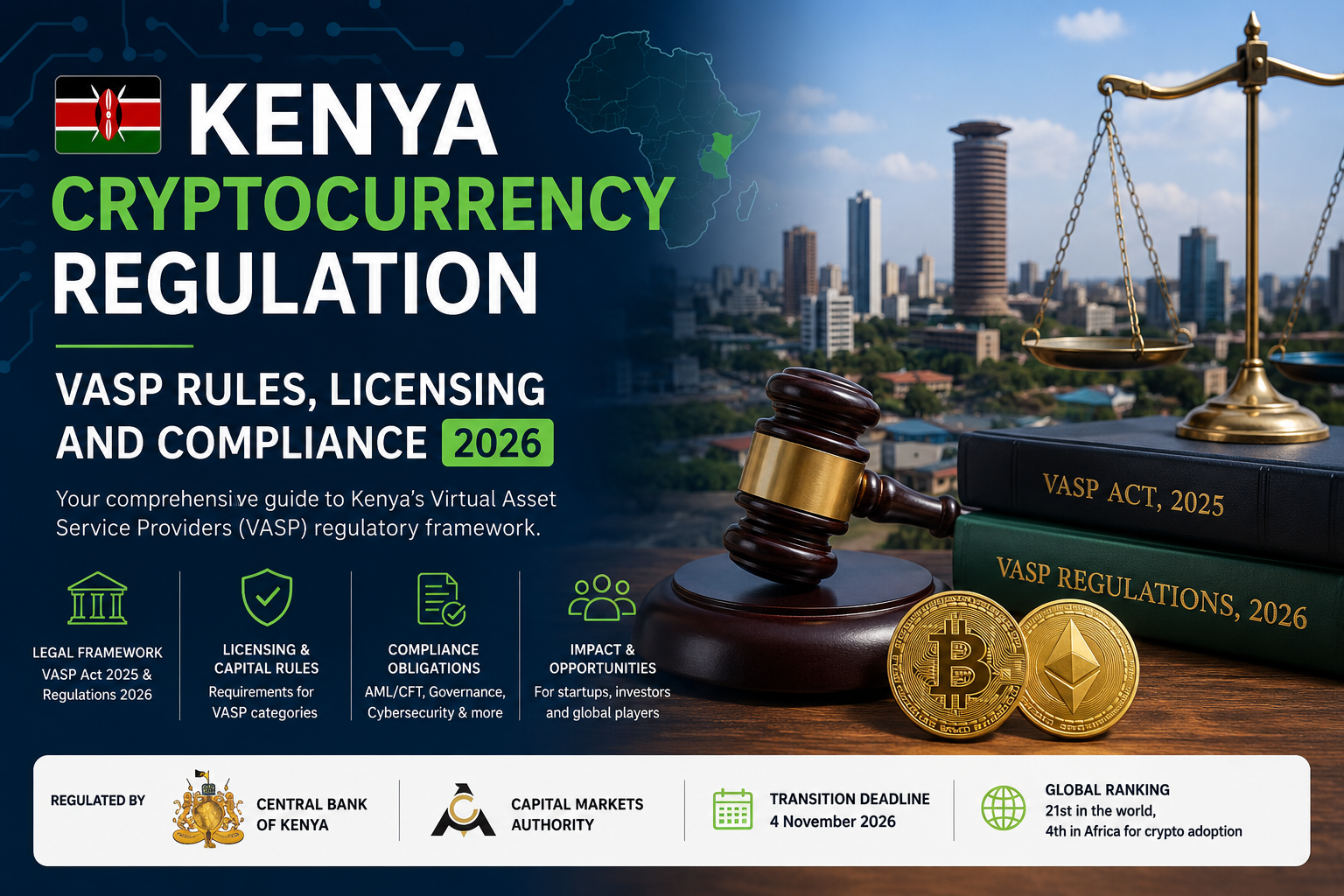
Kenya Cryptocurrency Regulation: VASP Rules, Licensing and Compliance 2026
Explore Kenya’s 2026 cryptocurrency regulations, including VASP licensing, capital requirements, compliance obligations, regulators, fees and key rules for crypto businesses.
Shakila Afshar
 Payments
Kenya’s Crypto Startups Face a Race Against Time as KSh100 Million Exchange Rule Looms
Kenya’s new crypto rules set capital requirements as high as KSh300 million, putting startups under pressure ahead of the November 4, 2026 compliance deadline.
Markesha Freeman
 Payments
Kenya's Crypto Market Is Open — But the Final 2026 Rules Could Reshape the Industry
Kenya's final 2026 VASP regulations are reshaping the country's crypto industry, introducing new licensing, capital, governance and compliance requirements for exchanges, wallets, payment processors and stablecoin issuers.
Markesha Freeman
 Payments
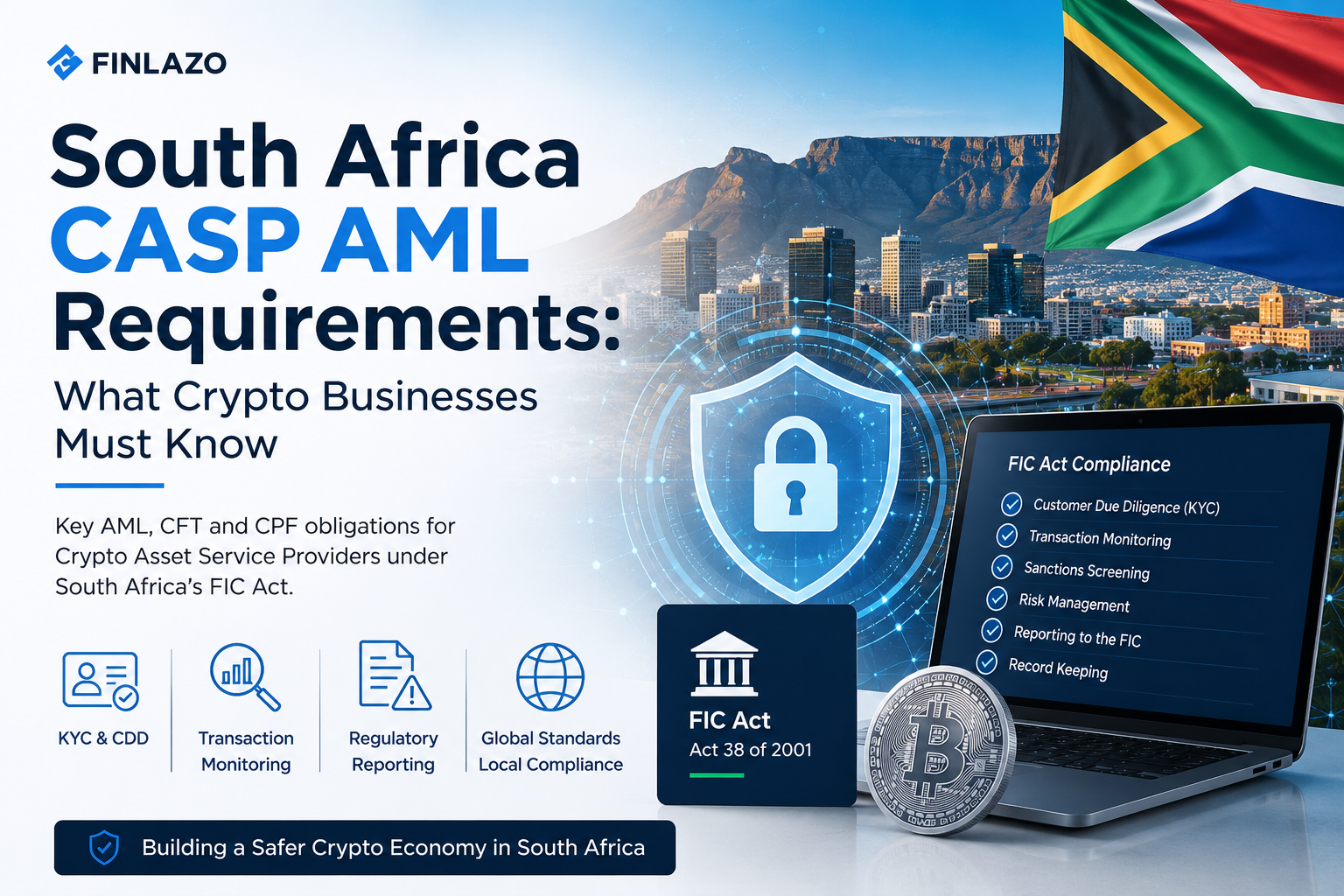
South Africa CASP AML Requirements: What Crypto Businesses Must Know
South African CASPs face detailed AML, CFT and CPF obligations under the FIC Act, including KYC, transaction monitoring, sanctions screening, reporting and risk-based compliance controls.
Shakila Afshar
 Company
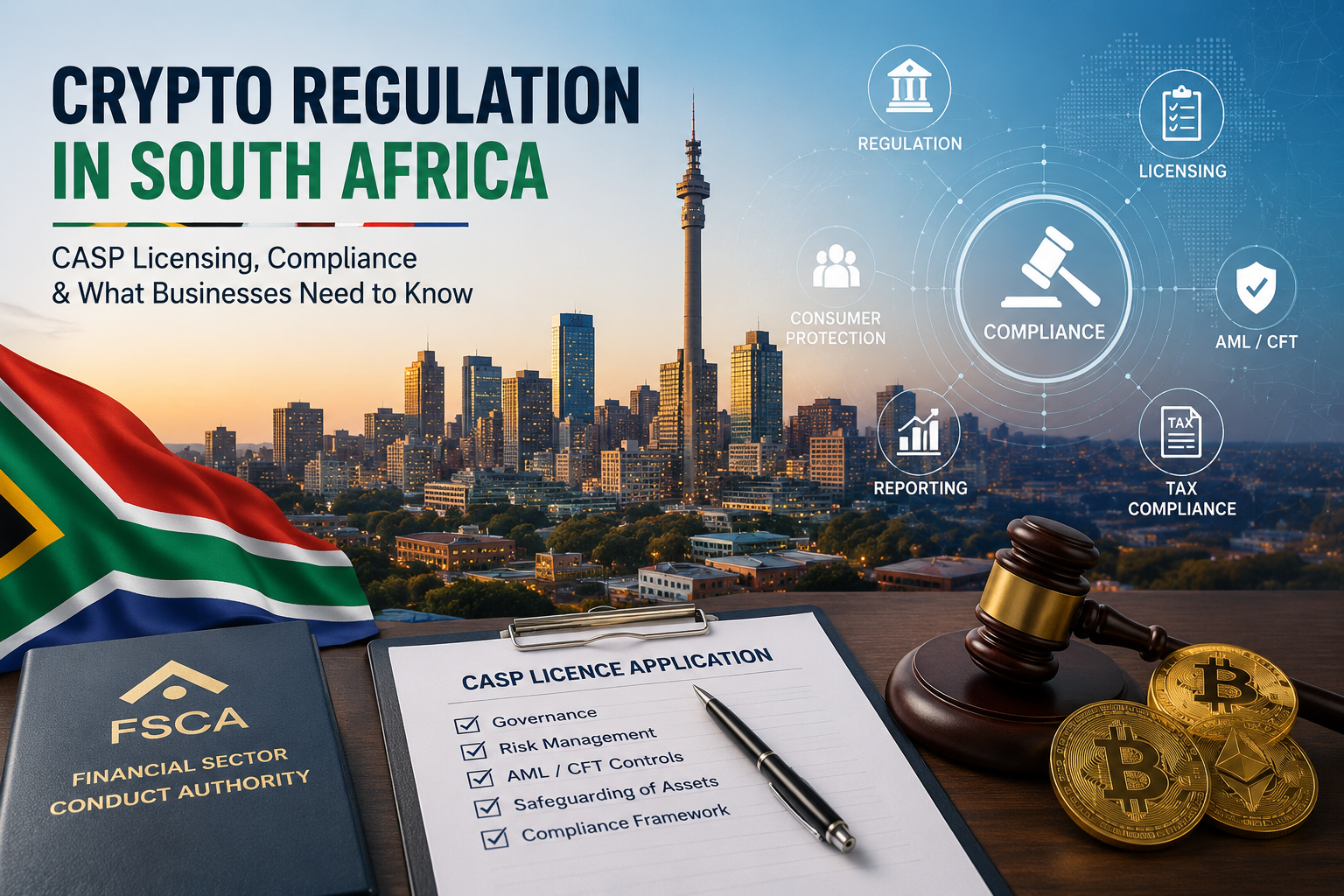
Crypto Regulation in South Africa: CASP Licensing, Requirements and What Businesses Need to Know
South Africa has established a formal regulatory framework for cryptocurrency, requiring qualifying Crypto Asset Service Providers to obtain authorisation while imposing AML, tax, reporting and compliance obligations on businesses operating in the sector.
Shakila Afshar